Main Research Themes
1. Experimental Asset Markets and Finance
Within this research thrust, I examine topics such as insider trading regulations, the interaction between social networks and trader behavior, the impact of consumption smoothing on asset prices, dark pools, algorithmic trading, and social trading and information sharing. A recurring question is how information structure and market microstructure affect price efficiency and trader welfare.

2. Experimental Market Design
In this research area, I investigate methods to encourage organ donation enrolment, considering factors such as blood compatibility, transplant priority for donors, incentive schemes such as transferable vouchers, family consent, and the relationship between deceased- and living-kin organ donation. I also study how information provision and priority rules jointly affect donation decisions and social welfare, as well as repugnant transactions.

3. Cooperation, Coordination, and Dynamic Social Networks
In this research focus, I explore mechanisms to promote cooperation and coordination in social dilemmas, social network formation for prisoner's dilemma and coordination games, the evolution of cooperation in dynamic networks, and the impact of social identity on group interactions. I am particularly interested in how network topology and link flexibility shape the emergence of prosocial norms.

4. AI, Algorithms, and Behavioral Responses
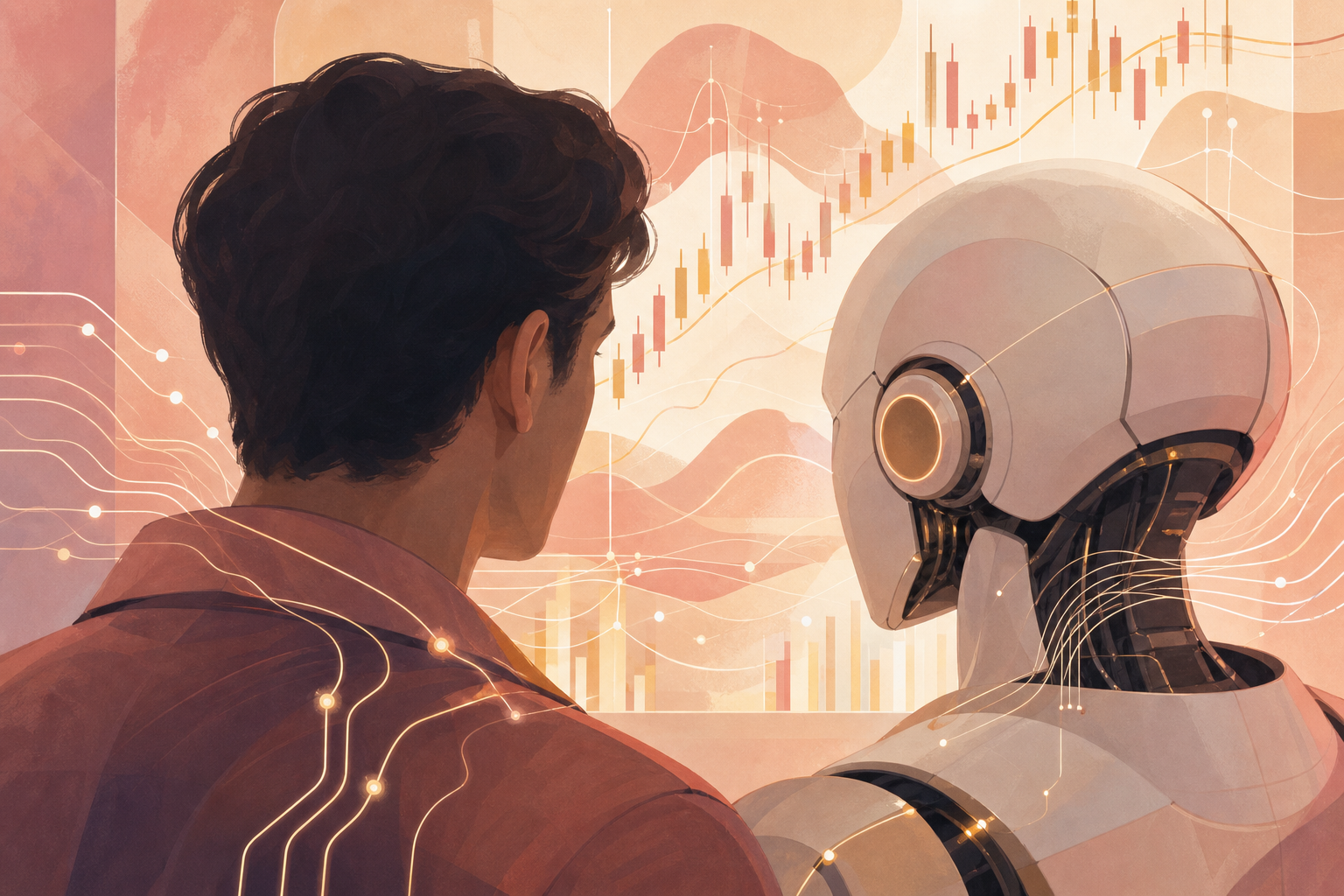
This research strand examines how artificial intelligence reshapes individual and collective economic behavior. I investigate whether large language models outperform humans in financial prediction tasks, and how AI-generated advice, relative to human advice, shapes investment decisions when advisor identity or conflicts of interest are disclosed or concealed. Further projects explore whether generative AI promotes cooperation and collective efficiency in social dilemma environments, and how workers strategically invest in skills in response to AI automation and AI-advisory roles. Together, these studies identify the behavioral mechanisms governing human adaptation to intelligent systems.
5. Others
I also explore various topics such as contest experiments, social identity and incentives, charitable giving, and behavioral nudges.